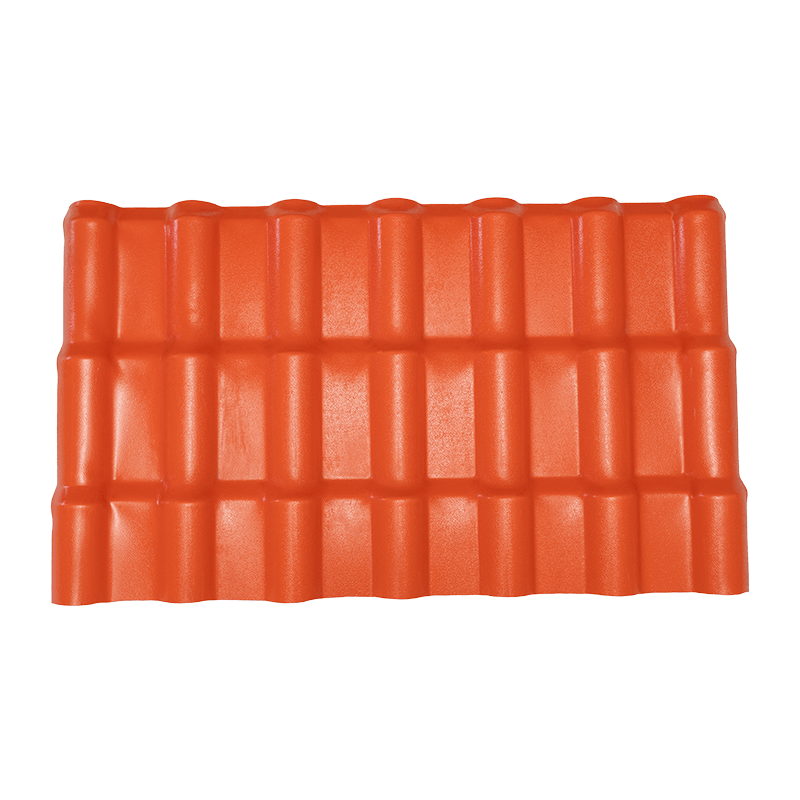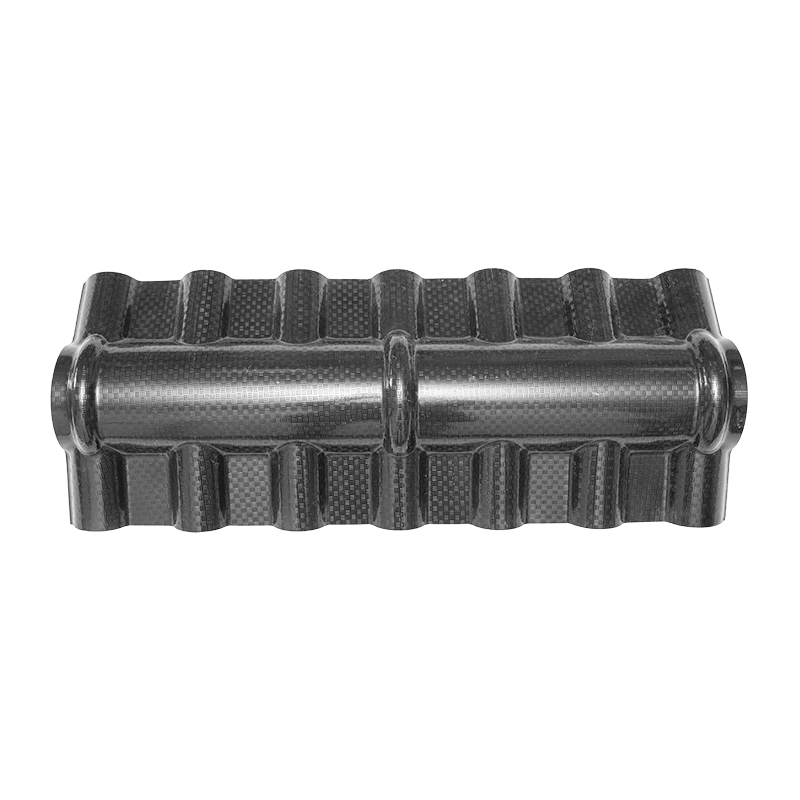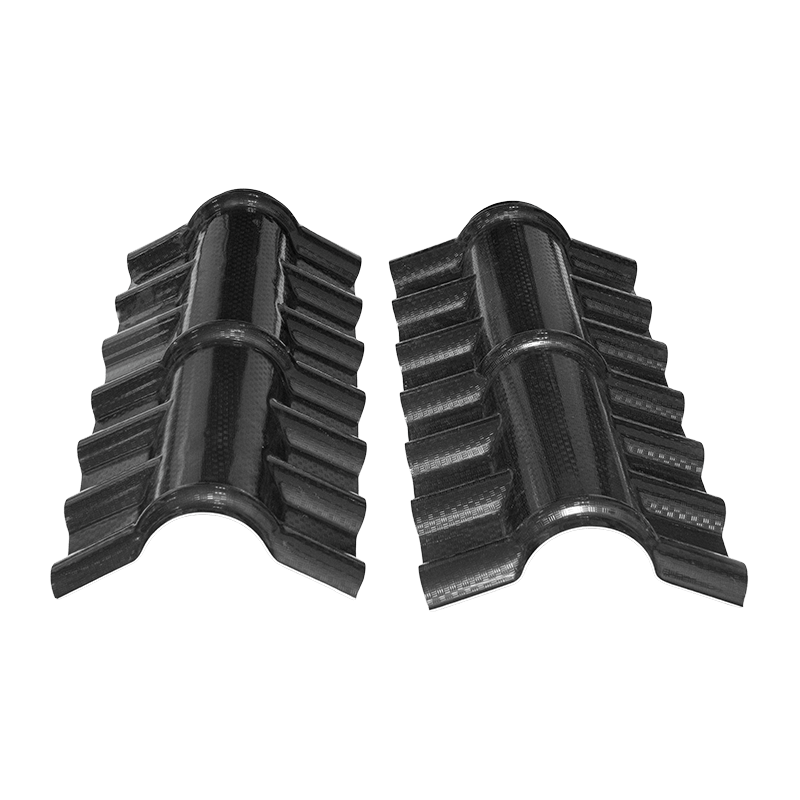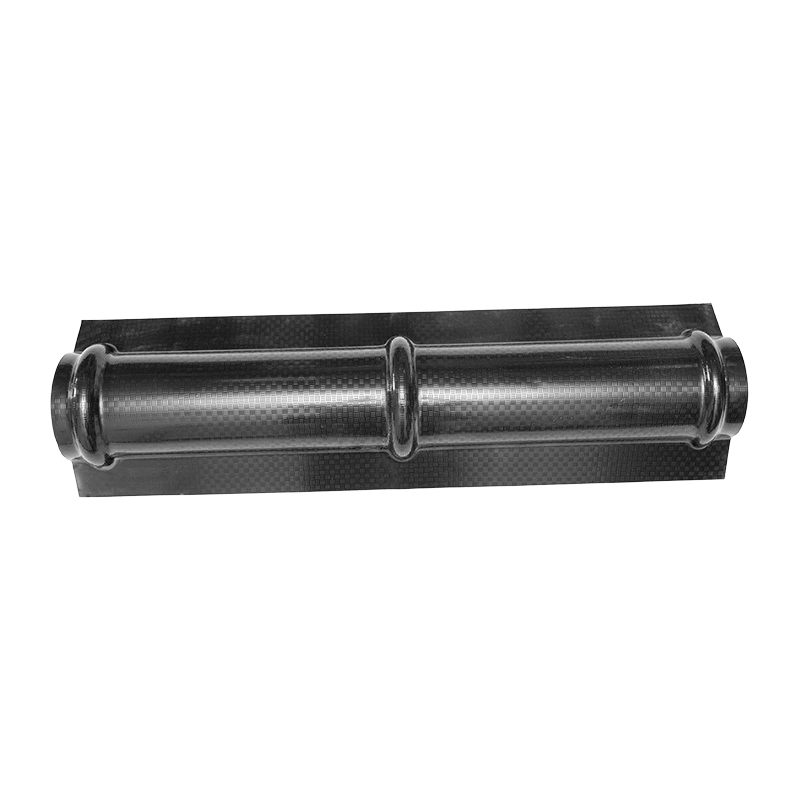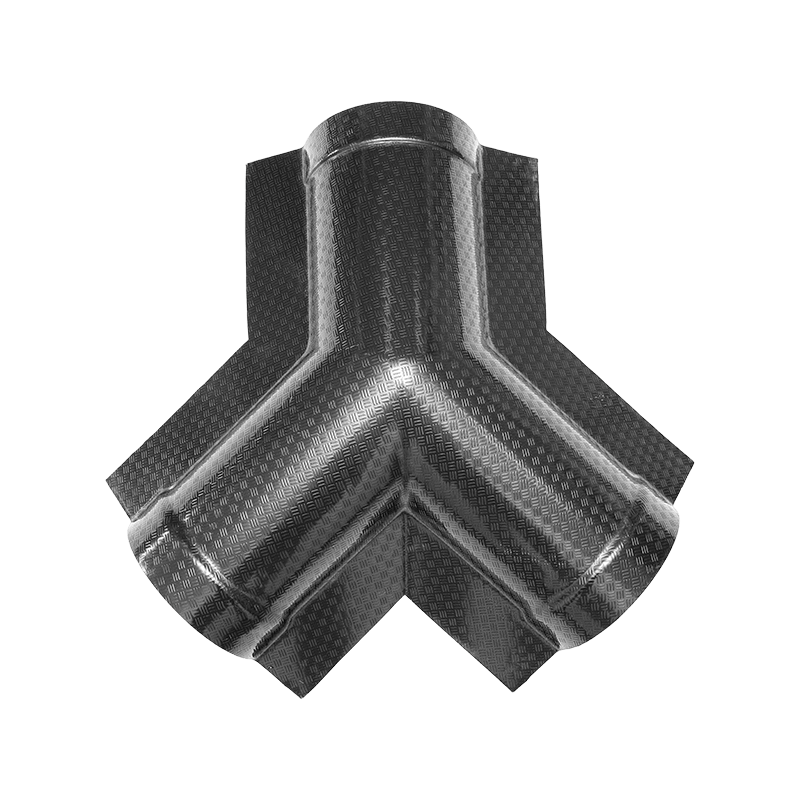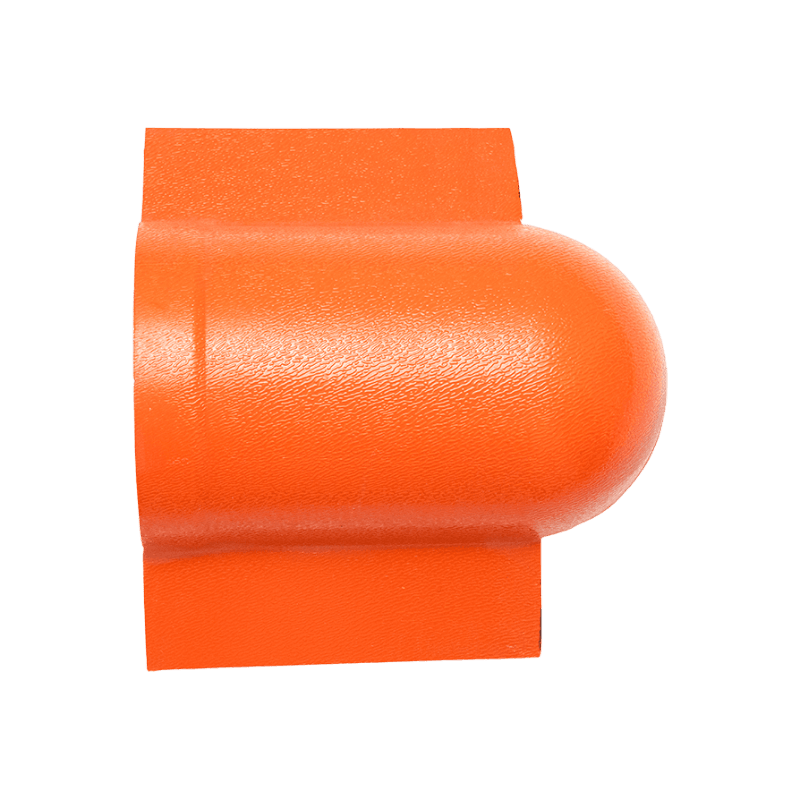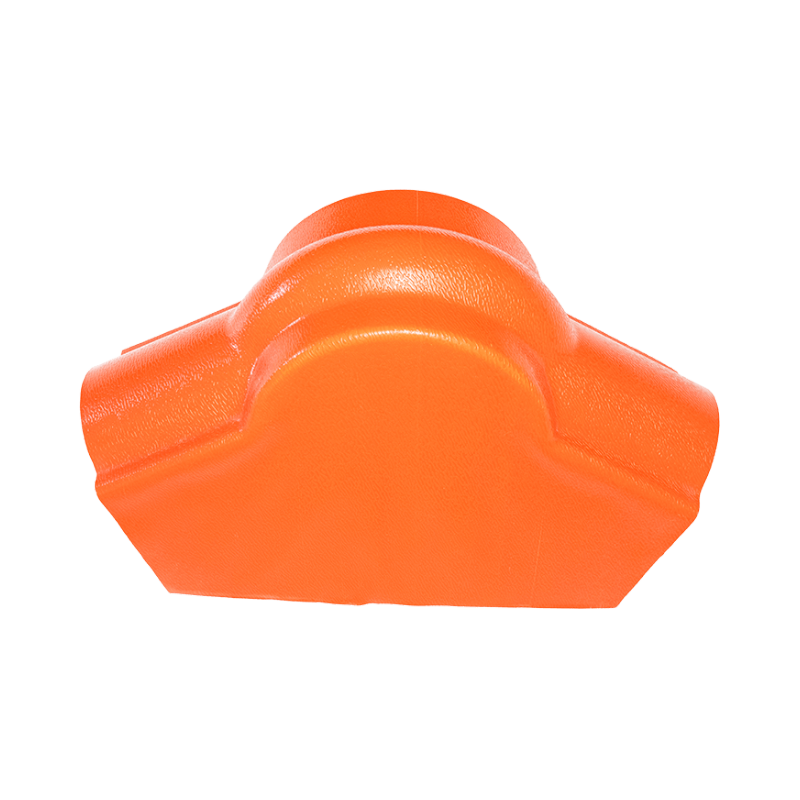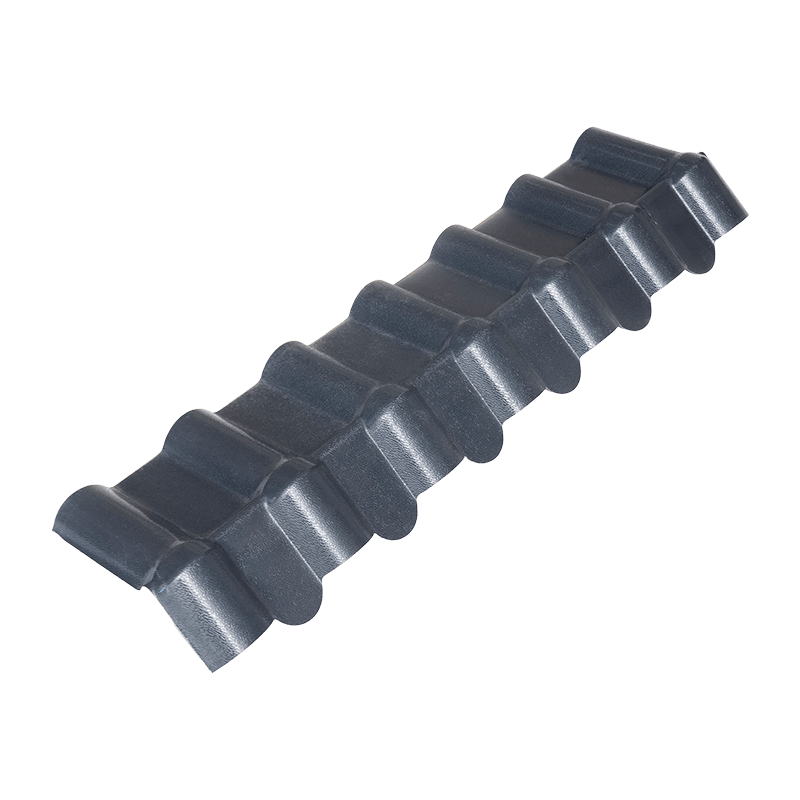

The clear conclusion is that Resin Sheet Tile offers significant advantages over natural stone tiles in terms of weight load, installation complexity, and maintenance requirements. It is typically 70–85% lighter than granite or marble slabs, requires less structural reinforcement, and can reduce installation time by up to 40–60%. Additionally, its non-porous surface makes it far easier to maintain, especially in humid or high-traffic environments. While natural stone provides aesthetic uniqueness, Resin Sheet Tile delivers a more practical and cost-efficient solution for modern architectural and commercial applications.
Weight Load Comparison: Structural Efficiency and Safety
One of the most important advantages of Resin Sheet Tile is its low structural load. Natural stone such as marble or granite typically weighs between 60–90 kg per square meter, depending on thickness. In contrast, Resin Sheet Tile generally weighs only 15–25 kg per square meter. This major difference directly reduces building load requirements.
In multi-story buildings or renovation projects, reducing load weight can eliminate the need for additional structural reinforcement. This is especially valuable in retrofit projects where structural capacity is limited. In contrast, natural stone often requires stronger subflooring, which increases both engineering complexity and cost.
Even compared to resin roof tiles used in lightweight roofing systems, Resin Sheet Tile maintains a balanced density that supports both durability and flexibility. This makes it suitable for interior walls, flooring systems, and commercial facades where load efficiency is critical.
Installation Complexity: Faster and More Flexible Application
Installation is another area where Resin Sheet Tile significantly outperforms natural stone. Traditional stone installation often requires cutting, leveling, sealing, and mechanical anchoring. These steps increase labor time and cost.
Resin Sheet Tile, on the other hand, is manufactured in uniform sheets, allowing for faster alignment and simplified cutting. Installation time can be reduced by up to 50% in large-scale projects. Adhesive-based installation systems also eliminate the need for heavy mortar beds in many cases.
Key Installation Differences
- Resin Sheet Tile requires minimal cutting compared to irregular stone slabs.
- Natural stone often needs sealing before and after installation.
- Resin Sheet Tile allows quicker adhesive bonding with fewer curing delays.
- Reduced need for specialized labor lowers overall project costs.
In comparison, natural stone installation often requires skilled masons and specialized equipment, increasing both time and labor dependency. Resin Sheet Tile also integrates more efficiently with modular systems, including resin roof tiles, which are designed for similar installation efficiency in roofing applications.
Maintenance Requirements: Long-Term Cost Efficiency
Maintenance is a critical factor in evaluating flooring and wall materials. Natural stone is porous and requires regular sealing to prevent staining, moisture penetration, and bacterial growth. Without proper maintenance, it can degrade over time.
Resin Sheet Tile is non-porous, meaning it resists water absorption, stains, and chemical damage far more effectively. Routine cleaning is usually limited to mild detergents and water, reducing long-term maintenance costs by approximately 30–50% compared to natural stone systems.
Maintenance Comparison Table
| Factor | Resin Sheet Tile | Natural Stone |
|---|---|---|
| Sealing Requirement | Not required | Required every 1–2 years |
| Stain Resistance | High | Moderate |
| Cleaning Effort | Low | Medium to High |
| Lifespan Maintenance Cost | Lower overall cost | Higher due to sealing and repairs |
This makes Resin Sheet Tile especially suitable for commercial kitchens, hospitals, and public spaces where hygiene and maintenance efficiency are priorities. Natural stone, while visually appealing, demands continuous upkeep to maintain its appearance and performance.
Durability and Environmental Resistance
Resin Sheet Tile provides strong resistance to moisture, chemicals, and temperature fluctuations. Unlike natural stone, it does not crack easily under thermal stress or absorb liquids that cause long-term degradation.
In environments exposed to humidity or water, such as bathrooms or coastal buildings, Resin Sheet Tile maintains structural integrity without requiring frequent repair. Natural stone, in contrast, may develop micro-cracks or discoloration over time.
Even when compared with resin roof tiles used in exterior roofing systems, Resin Sheet Tile maintains excellent indoor environmental adaptability, making it versatile for both residential and commercial interiors.
Cost Efficiency and Lifecycle Value
Although natural stone may appear premium, its total lifecycle cost is significantly higher. When factoring installation labor, structural reinforcement, sealing, and maintenance, the long-term cost can exceed Resin Sheet Tile systems by 20–40%.
Resin Sheet Tile offers predictable performance and reduced maintenance demands, which makes budgeting easier for large-scale developments. Its durability and low upkeep translate into better long-term return on investment.
For developers seeking efficiency without compromising visual appeal, Resin Sheet Tile provides a balanced solution that aligns performance with cost control.
Resin Sheet Tile demonstrates clear advantages in modern construction environments. Its lightweight structure reduces engineering constraints, its installation process accelerates project timelines, and its low maintenance requirements significantly reduce long-term costs.
While natural stone remains valued for its natural appearance, Resin Sheet Tile provides a more efficient and scalable solution, particularly in commercial and high-performance building applications where practicality is essential.